
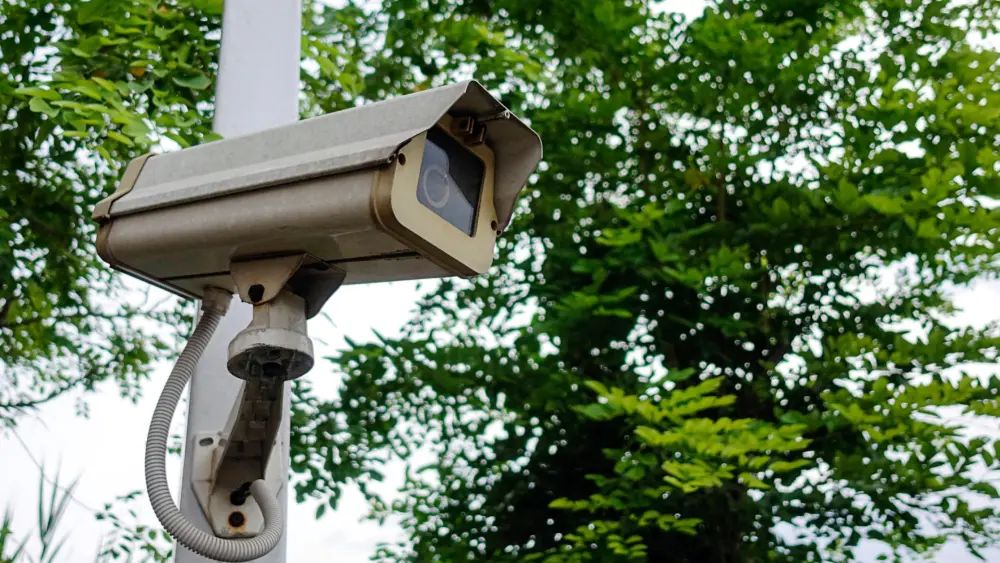
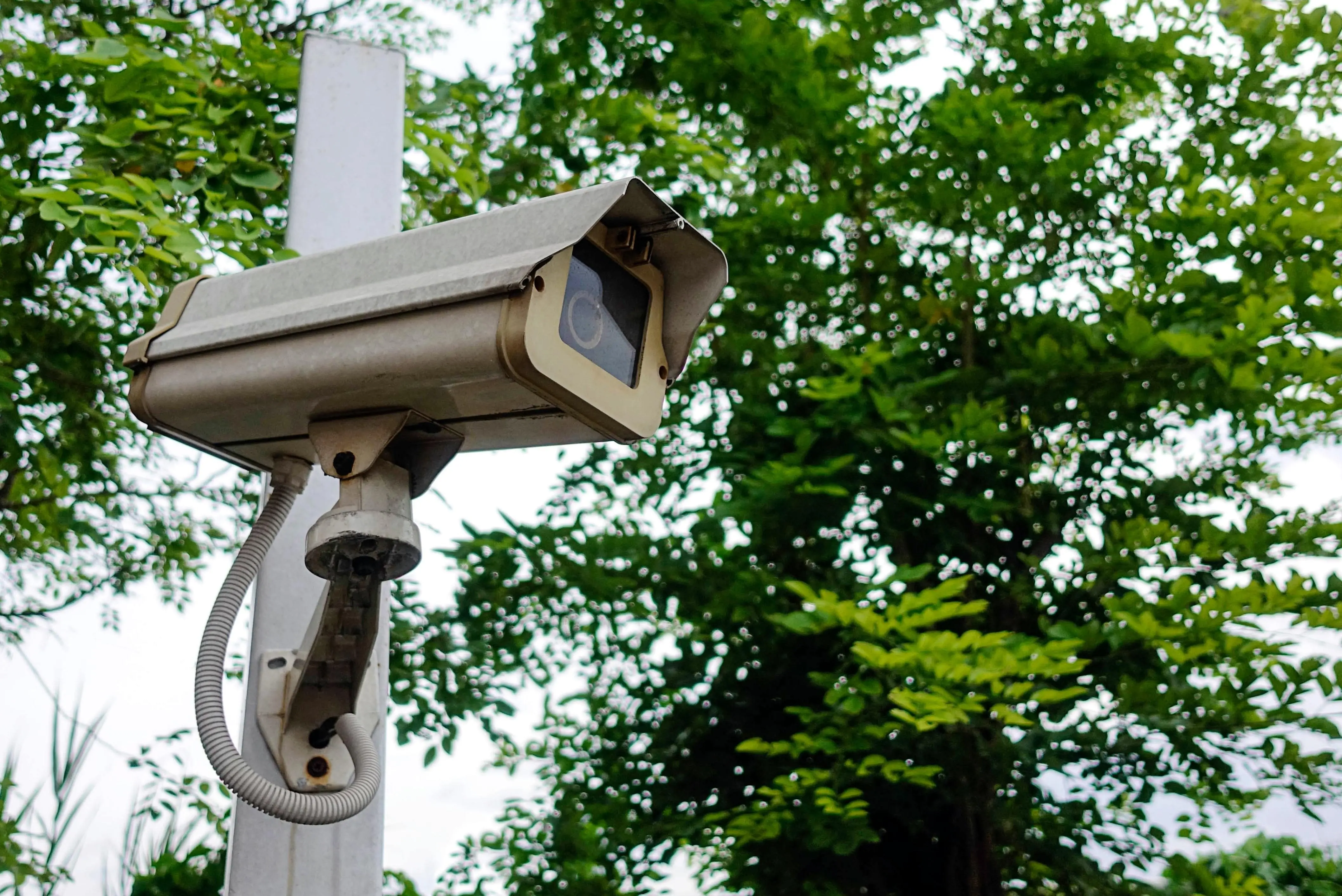
The Pierce County Sheriff’s Office has shut down its license plate reader system, commonly known as Flock cameras, after a new law passed by Democrats in Washington state made continued use legally risky for deputies.
Sheriff Keith Swank announced the immediate deactivation on Monday, warning that the legislation will directly impact the ability of law enforcement to solve crimes and locate missing persons.
Democrats in Olympia passed legislation that makes it impossible for us to use license plate readers without jeopardizing our deputies. This legislation will make it more difficult to solve violent crimes and find missing loved ones. https://t.co/FoDxqv4KEh
— Sheriff Keith Swank (@Swank4America) March 31, 2026
“Democrats in Olympia passed legislation that makes it impossible for us to use license plate readers without jeopardizing our deputies,” Swank wrote on X. “This legislation will make it more difficult to solve violent crimes and find missing loved ones.”
The shutdown follows Governor Bob Ferguson’s signing of the Driver Privacy Act (SB 6002), which imposes sweeping restrictions on automated license plate reader (ALPR) systems used by police agencies across the Evergreen State.
Flock cameras, used by dozens of jurisdictions, automatically scan license plates and store location data, helping investigators track stolen vehicles, identify suspects, and locate missing people.
But under the new law, their use is now tightly restricted. The legislation prohibits agencies from collecting license plate data near so-called sensitive locations, including schools, hospitals, places of worship, and facilities offering immigration-related services. It also bars law enforcement from using the technology for immigration enforcement purposes.
In addition, the law prevents authorities from using license plate reader data to track individuals engaged in constitutionally protected activities, such as attending protests or accessing healthcare services. It further requires law enforcement agencies to obtain a warrant before accessing ALPR data from private entities and bans the buying or selling of that data altogether.
While supporters argue these measures are necessary to protect civil liberties, Pierce County officials say the law creates an unworkable situation for law enforcement.
According to the Sheriff’s Office, there is currently no technology available that allows deputies to reliably avoid restricted areas in real time, meaning officers could unknowingly violate the law simply by operating the system. Violations carry serious consequences, including potential criminal liability, leaving the department with little choice but to shut the system down entirely.
Swank emphasized that the decision was not made lightly, describing the loss of ALPR technology as a major setback for public safety.
The system has played a key role in a range of cases, including locating missing persons, such as those involved in Silver Alerts, recovering stolen vehicles, and identifying suspect vehicles tied to violent crimes. Investigators have relied on the technology to quickly reconstruct vehicle movements and generate leads that would otherwise take far longer to uncover.
Without it, the sheriff says both response times and investigative capabilities will suffer.
“The loss of this tool is a significant setback for public safety in our community,” the Sheriff’s Office said in its official release.
Pierce County is the latest jurisdiction to shut down or pause Flock camera programs amid growing legal and political pressure.
Cities including Redmond, Lynnwood, and Olympia have already moved to deactivate or suspend their systems following court rulings and mounting concerns over privacy, data access, and potential sharing with federal agencies.
At the center of the debate is whether the technology represents a necessary policing tool or an overreach of government surveillance powers. Critics argue that ALPR systems enable mass tracking of individuals without sufficient safeguards, while law enforcement leaders say the new restrictions go too far, effectively eliminating a tool that has become standard in modern policing.
Pierce County officials say that under the current law, there is no viable way to continue operating Flock cameras without risking legal violations.
The Sheriff’s Office says it will explore alternative tools that comply with state law but acknowledges that none currently offer the same level of effectiveness.
For now, the cameras are off, and according to Swank, the consequences may soon be felt.