Even as colleges nationwide are improving their formal response to antisemitism, the University of Washington is still drawing low marks from the Anti-Defamation League, underscoring how the issue remains a live one on Washington campuses.
The ADL’s 2026 Campus Antisemitism Report Card found that 58% of the 150 colleges and universities it assessed earned A or B grades, up from 41% in 2025 and 23.5% in 2024. The group says the gains reflect stronger policies, clearer enforcement, and more sustained investment in Jewish campus life.
But the national improvement has not erased concerns in Washington.
Recent local reporting citing the latest ADL scorecard said the University of Washington received a D, the same grade it drew in ADL’s Pacific Northwest regional release in 2025. That suggests UW did not improve, even as ADL says many schools across the country did. ADL’s 2025 regional release also gave Evergreen State College an F.
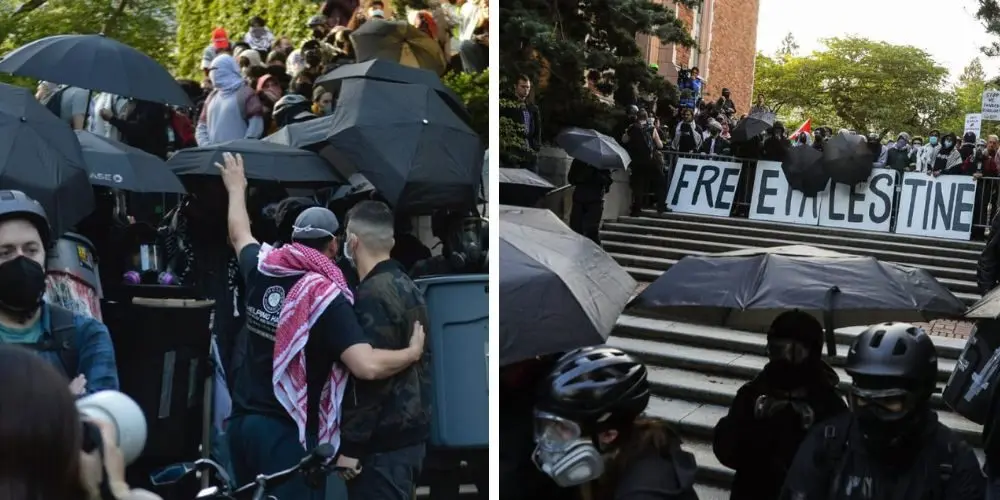
The ADL has pointed to incidents including the pro-Palestinian encampment and occupation-related unrest at UW, along with antisemitic vandalism at the home of then-President Ana Mari Cauce, as part of the context surrounding the university’s grade.
The broader picture in Washington has also been shaped by federal pressure. In March 2025, the U.S. Department of Education’s Office for Civil Rights warned 60 universities they could face enforcement action over alleged antisemitic discrimination and harassment. Four Washington schools were on that list: the University of Washington, Eastern Washington University, Pacific Lutheran University, and Whitman College.
That federal pressure followed President Donald Trump’s order directing agencies to take additional steps against antisemitism in education, particularly through civil-rights enforcement. Supporters say the approach is forcing universities to respond more aggressively; critics say it risks expanding federal influence over campus governance and speech disputes.
ADL’s companion 2026 survey suggests the campus climate remains unsettled even where institutions have tightened policies. The group found that 48.3% of non-Jewish students reported witnessing or experiencing anti-Jewish behavior in the past year, while 47.6% endorsed at least one anti-Jewish attitude. ADL says that the policy changes have not fully translated into students’ day-to-day experience.
That tension is likely to keep the issue front and center in Seattle. UW has been one of the state’s most visible campuses in debates over protest, public safety, discipline, and the line between political expression and harassment. And with federal investigators, advocacy groups and local media all still watching closely, pressure on the university is unlikely to ease soon.