Washington lawmakers are moving to impose sweeping new accountability measures on the state’s child care subsidy system after repeated audits found major gaps in oversight at the Department of Children, Youth, and Families (DCYF)—including years where auditors say the agency failed to provide basic documentation required under federal law.
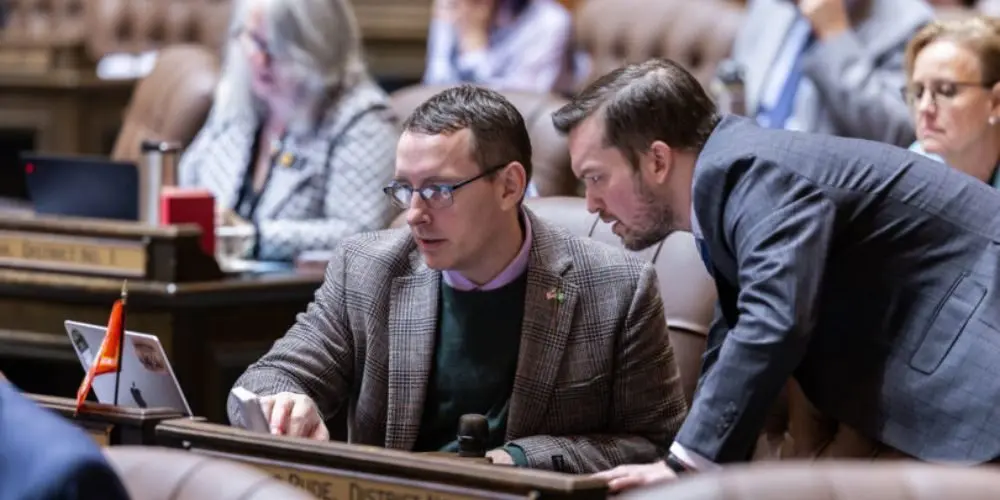
Reps. Joshua Penner (R–Orting) and Travis Couture (R–Allyn) announced in a release that Washington’s child care system is “hemorrhaging taxpayer money” due to what they describe as a lack of financial controls and enforcement. Their push comes as DCYF remains under intense public scrutiny over allegations of fraud, “ghost billing,” and missing records.
Auditor: Four Years of Incomplete Audits
According to the lawmakers, the State Auditor’s Office (SAO) recently revealed it could not conduct full audits for fiscal years 2021, 2022, 2023, and 2024 because DCYF failed to track spending with the level of detail required by federal law.
In the most recent Statewide Single Audit, the SAO “questioned” the program’s entire $416 million in spending due to inadequate documentation.
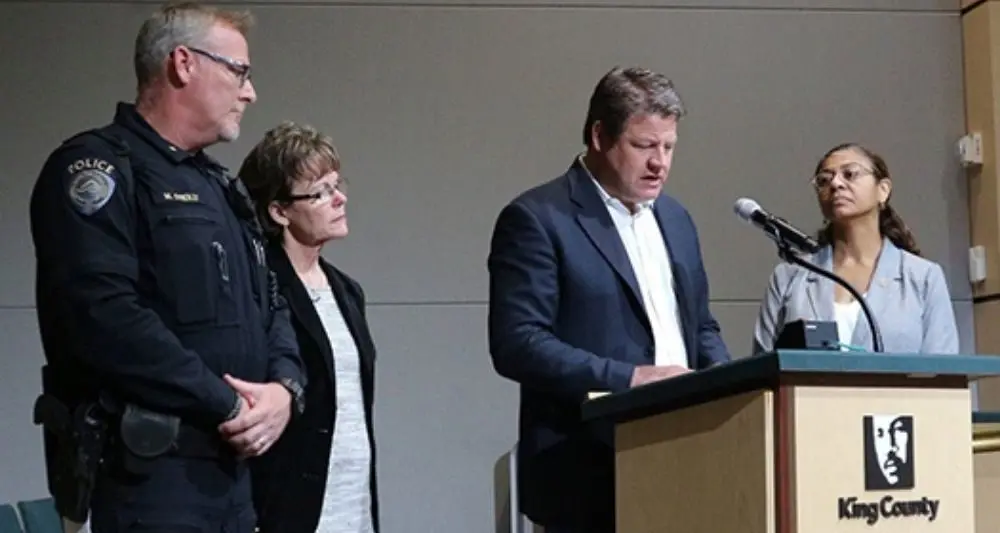
State Auditor Pat McCarthy previously told KOMO News that DCYF lacked provider-level data for years—making it “impossible” for auditors to trace payments to individual child care providers.
Overpayments, Missing Records, and “Ghost Billing”
The lawmakers also cite DCYF’s own acknowledgment that it overpaid $2 million to 1,372 providers in the last year alone.
“We are talking about nearly half a billion dollars in spending that the state cannot fully account for,” Penner said. “That is not just a bookkeeping error; it is a massive breach of the public trust.”
Penner added that the overpayments are “likely just the tip of the iceberg,” arguing Washington cannot keep pouring money into a system that cannot track where it goes.
The press release also points to a 2020 audit that found 29 of 31 sampled providers failed to submit required attendance records, and that several providers operated significantly above licensed capacity.
HB 2253: Lifetime Bans and Electronic Attendance
Penner and Couture say they successfully negotiated strict reforms into House Bill 2253, transforming DCYF’s request legislation into what they call a “financial firewall.”
Key provisions include:
- A permanent lifetime ban on licensure for any provider found to have committed child care subsidy fraud.
- Mandatory use of an electronic attendance system for any provider receiving state subsidies, capturing daily check-in/check-out times through digital signatures or biometrics.
- License revocation is a statutory requirement for exceeding physical capacity at any point in time.
- Immediate license termination if high-potency synthetic opioids like fentanyl are found in a child care home.
“Every dollar stolen through ghost billing or lost to mismanagement is a dollar that doesn’t go to a child in need,” Couture said.
Context: Audits, Investigations, and Political Pushback
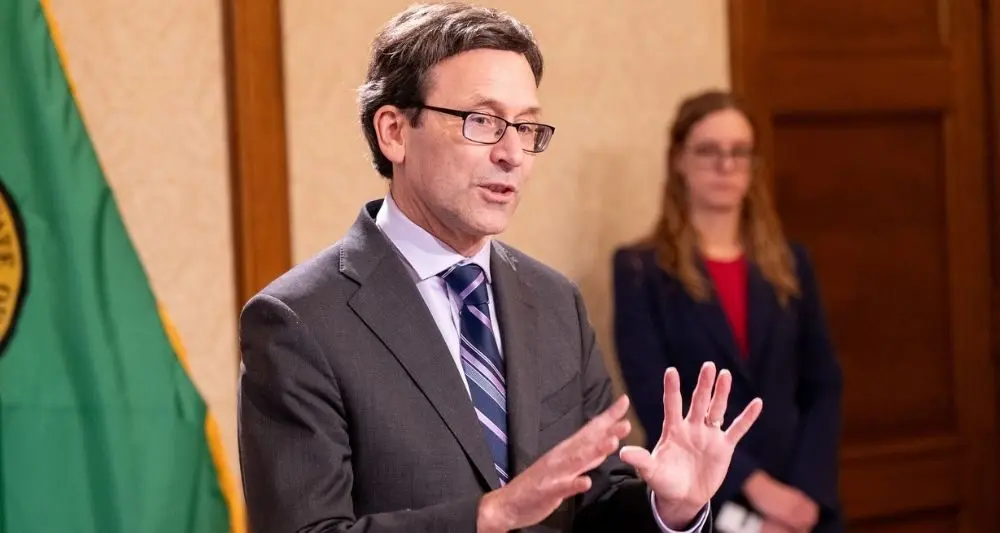
The bill comes as independent journalists and citizen watchdogs have raised concerns about alleged “ghost daycares,” changes to DCYF listing data, and weak enforcement—while top state officials, including Attorney General Nick Brown, have dismissed fraud allegations as “baseless” despite audit findings.
At the federal level, Rep. Michael Baumgartner (WA-05) has also called on HHS and USDA to conduct integrity reviews of Washington programs, citing Minnesota’s fraud scandals as a cautionary tale.
What Happens Next
HB 2253 has passed the Washington House and now heads to the Senate, where lawmakers will decide whether Washington’s child care subsidy system gets new teeth—or continues operating under the same oversight structure auditors have repeatedly flagged as high-risk.