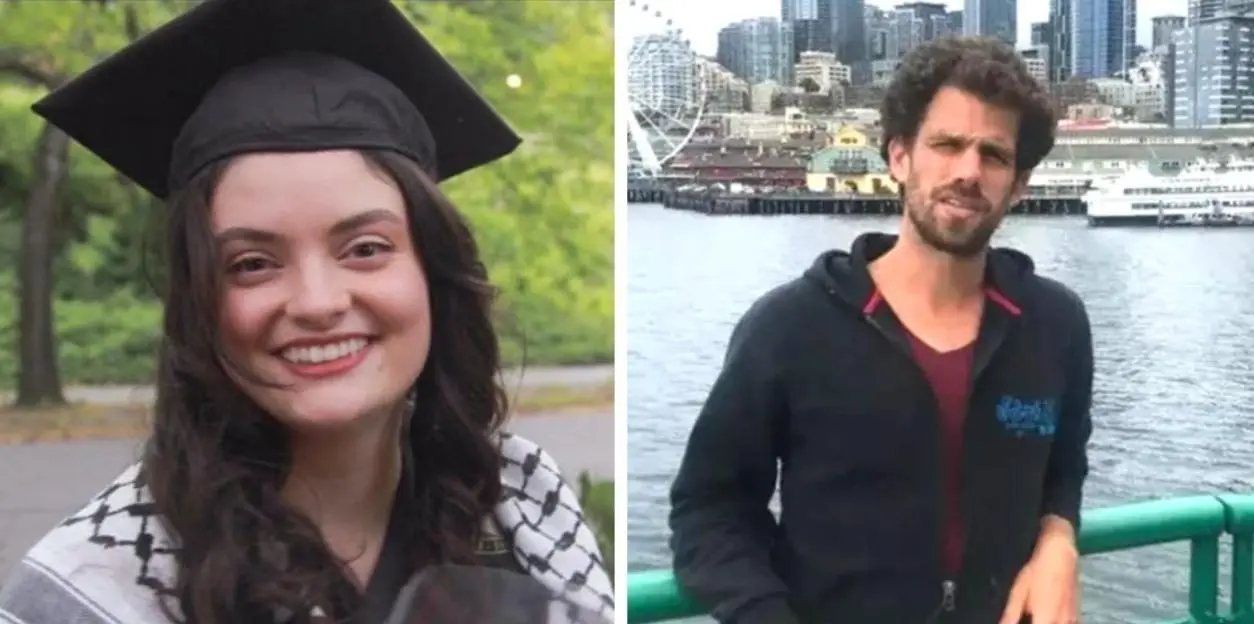
A Washington state legislative effort demanding a federal investigation into the death of a University of Washington graduate in the West Bank has collapsed after Republicans forced Democrats to confront an inconvenient question: how did she end up in the middle of a violent conflict zone in the first place?
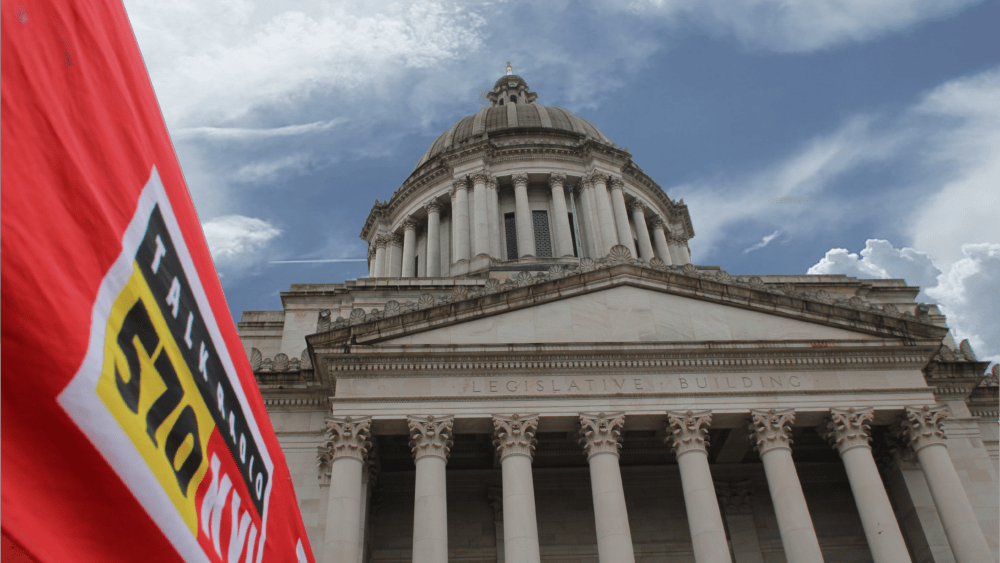
Senate Joint Memorial 8014, introduced by Democratic state Sen. Rebecca Saldaña, called on the federal government to conduct a “transparent, thorough, and independent investigation” into the death of UW graduate Ayşenur Ezgi Eygi.
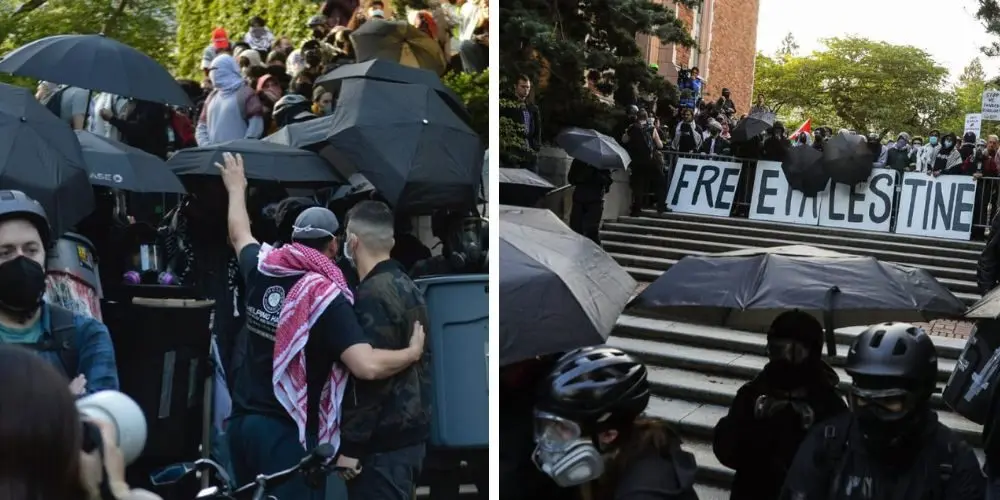
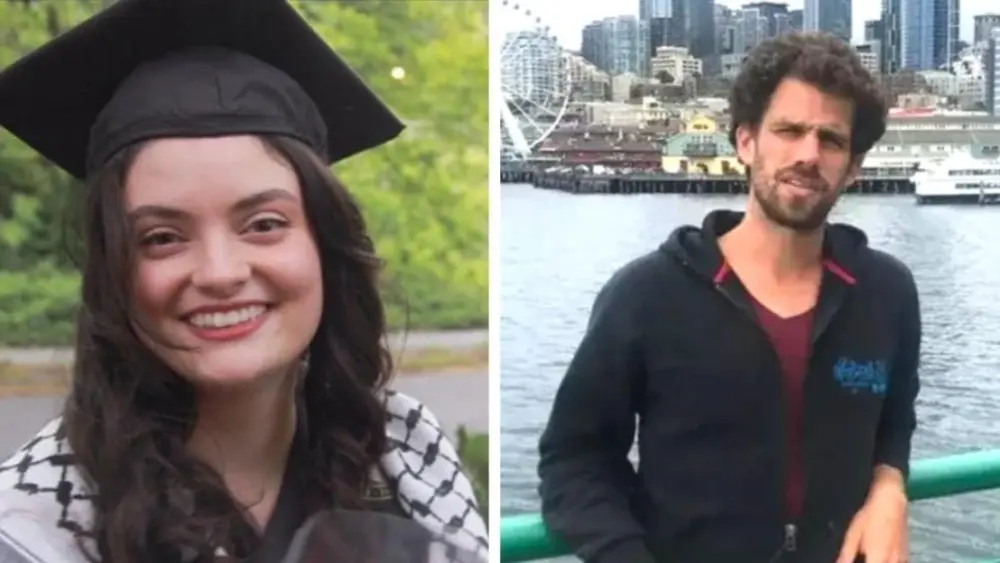
Eygi, a dual US–Turkish citizen raised in Seattle, was killed on Sept. 6, 2024, while participating in a protest at the Beita Junction in Samaria against Israeli settlement expansion.
The memorial portrayed Eygi as a human-rights activist who was “tragically killed” while “courageously observing the forceful displacement of Palestinians from their homes.”
But that narrative quickly began to unravel once Republican state Rep. Chris Corry proposed an amendment adding context that Democrats had conspicuously left out.
“When I first read SJM 8014, it was missing some key components, namely, how do US citizens wind up in at best disputed territories, and at worst an active war zone,” Corry told the Jewish News Syndicate.
Eygi had traveled to the region as part of the International Solidarity Movement (ISM), a pro-Hamas activist network that recruits international volunteers to join protests and confrontations alongside Palestinians.
The Israeli Defense Forces said Eygi was likely struck unintentionally during a violent riot in which Palestinian protesters burned tires and hurled rocks at Israeli security forces. An internal IDF inquiry concluded there was no evidence she was deliberately targeted.
Yet Washington Democrats continued pushing for a US-led investigation.
Corry’s amendment sought to add critical information about the activist organization that helped bring Eygi to the protest.
The amendment states that Eygi’s activism “made her an attractive target of the International Solidarity Movement,” which it describes as a group that promotes “direct action” tactics and recruits international activists to act as human shields in active combat zones.
It also notes that individuals associated with the organization have been convicted in US federal courts for providing material support to Hamas and that watchdog groups have documented coordination between ISM activists and Palestinian armed factions.
The amendment would have expanded the memorial’s request to include a federal investigation into the recruitment practices and operations of the International Solidarity Movement inside the United States.
According to Corry, the more he investigated the organization’s tactics, the more troubling the situation appeared.
“The more I dug into it and talked to people, it was clear that this group that got them there has a history of intentionally putting unwitting victims into the line of fire as a way of protest,” he said.
Rather than debate the issue publicly, Democrats effectively shelved the memorial.
Corry said there was concern among Democratic lawmakers about how the discussion would play out on the House floor once the amendment forced a broader conversation about ISM and its tactics.
On March 4, the measure was placed on second reading after the House Rules Committee was relieved of further consideration, effectively stalling it for the remainder of the legislative session.
If Democrats want to revive the memorial, Corry said, they will have to start the process over next year.
The episode raises uncomfortable questions about how the Eygi case has been framed politically in Washington.
Democratic lawmakers have repeatedly demanded that the United States launch its own investigation into Eygi’s death, even after Israel conducted its own inquiry and concluded the shooting was likely accidental during a violent riot.
But the memorial’s original language made no mention of the activist network that brought Eygi into a volatile conflict zone in the first place.
Corry’s amendment attempted to add that missing context, stating that Eygi’s “good, sincere, and brave intentions” could coexist with what it described as the International Solidarity Movement’s reckless disregard for the safety of volunteer activists.
Once that context entered the debate, the memorial stalled.
The political energy surrounding Eygi’s death stands in stark contrast to how Washington Democrats responded when another University of Washington scholar was killed in the same conflict.
Hayim Katsman sacrificed himself to save others when Palestinian terrorists attacked on Oct 7
Aysenur Ezgi Eygi was killed while attacking Israeli soldiers who were taking out terrorists in response to Oct 7
Both would still be alive if Hamas hadn't attacked Israel on Oct 7 pic.twitter.com/kIy3PJwlWd
— Ari Hoffman (@thehoffather) September 8, 2024
Hayim Katsman, a UW PhD alumnus and peace activist, was murdered by Hamas terrorists during the Oct. 7, 2023, massacre in Israel after reportedly shielding others with his body.
Katsman was not a protester seeking confrontation in a conflict zone. He was a peace activist and academic killed in his home as Hamas gunmen rampaged through Israeli communities.
Yet Washington Democrats did not introduce memorials demanding investigations into his death. No legislative campaigns were pressing the federal government for accountability.
No calls for a “transparent, thorough, independent investigation.” They would not even allow a letter from his relatives to be read into the record at a hearing.
The contrast is difficult to ignore.
When a UW graduate dies during an anti-Israel protest, Washington Democrats mobilize legislative memorials, media campaigns, and demands for federal intervention.
When a UW scholar is murdered by Hamas terrorists, the political outrage disappears.