

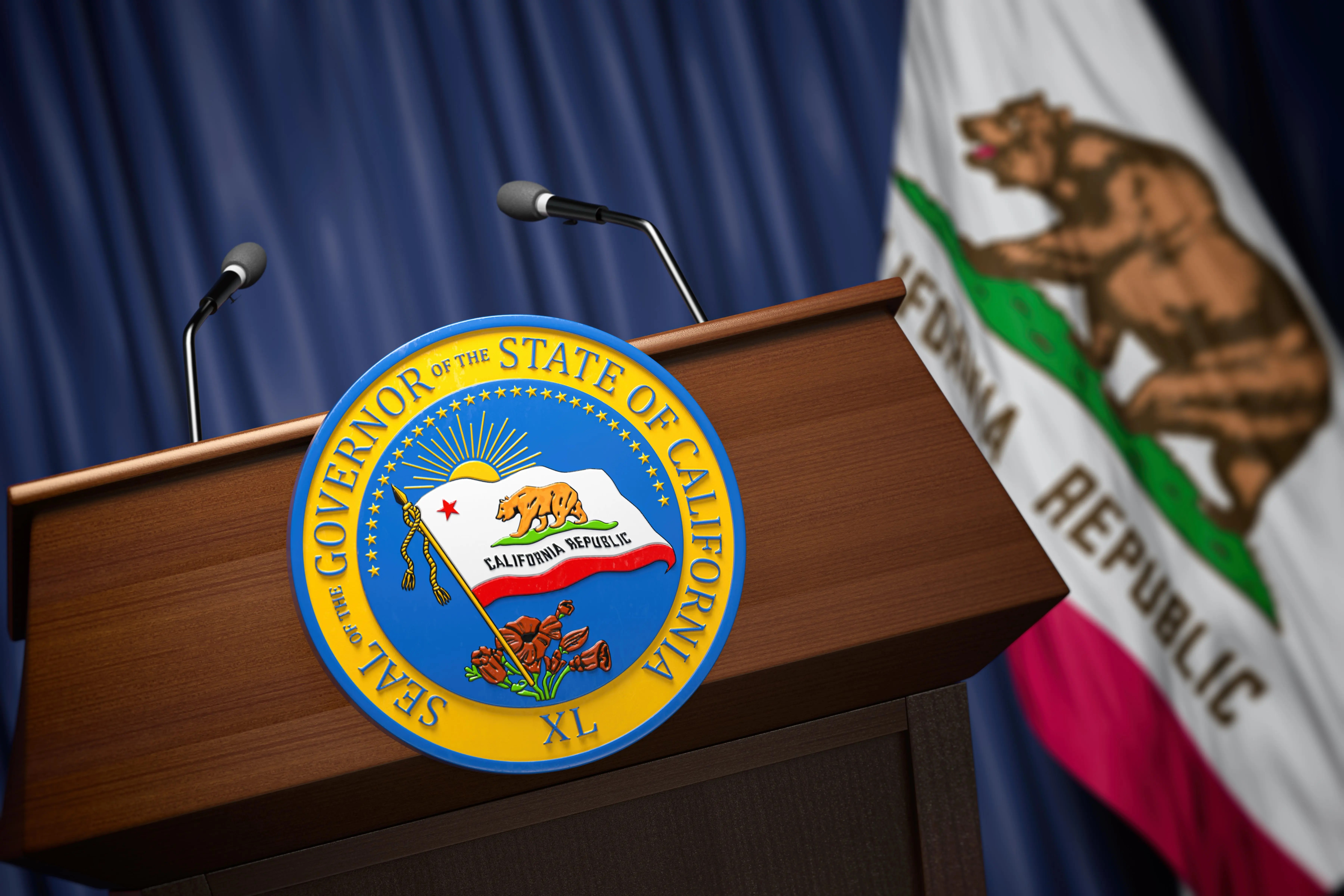
Seahawks quarterback Sam Darnold’s Super Bowl victory came with an unexpected financial twist: a sizable tax bill from the state of California.
According to Sportico, because Seattle’s 29–13 championship win took place at Levi’s Stadium in Santa Clara, Darnold is subject to California’s “jock tax,” which requires professional athletes to pay state income tax on earnings allocated to games and work performed there. Using a “duty-day” formula, which counts practices, meetings, and game days tied to the event, Darnold reportedly will owe more to California than the roughly $178,000 he earned for the game itself.
California imposes the highest state income tax in the country, with a top marginal rate exceeding 13 percent on income above $1 million, in addition to federal taxes.
The situation has drawn attention in Washington as lawmakers debate a proposed 9.9 percent tax on income above $1 million. The measure, often described as a “millionaire’s tax,” would apply to income earned in Washington once a taxpayer surpasses the $1 million threshold.
If enacted, professional athletes, including Seahawks players and visiting teams, could be taxed on income allocated to Washington for games, practices, and other team activities performed in the state. Like California’s system, the tax would likely rely on a duty-day allocation method to determine how much of an athlete’s annual salary is tied to Washington.
Under estimates circulated in policy discussions, a player earning $10 million annually could have roughly $588,000 of income allocated to Washington for a single game week. At a 9.9 percent rate, that could translate to approximately $58,000 in state income tax for that game alone, depending on the player’s contract structure and total duty days.
The proposed tax is not a standalone “jock tax” but part of broader income tax legislation aimed at high earners. Proposals under discussion suggest the measure could take effect January 1, 2029, if approved, a delayed start that opponents argue is designed to reduce immediate political blowback while still locking in the tax structure.
The debate comes amid broader economic concerns in the state. A recent Association of Washington Business survey found 44 percent of business leaders are considering moving their personal residence out of Washington, citing taxes and cost-of-living pressures. The share of employers considering relocating their businesses has also increased over the past year.
During an interview on The Ari Hoffman Show on Talk Radio 570 KVI, Rep. Jim Walsh blasted the proposed income tax as a “sleazy” rollout and warned it wouldn’t stay neatly confined to “millionaires.” Walsh argues Washington’s constitution requires tax uniformity, and he claims the legal endgame could be a wider tax footprint than advertised.
Additionally, according to recent reports, the Seahawks may be up for sale following their Super Bowl win, which could also mean relocation.